

Bulk T-Shirt Printing: Everything You Need to Know Before Placing an Order
Custom T-shirts are one of the most effective ways to build a company's identity.
Whether you're organising a corporate event, launching a product, onboarding employees, or running a marketing campaign, branded T-shirts create visibility while giving your team a professional and unified appearance.
However, ordering T-shirts in bulk isn't as simple as choosing a colour and adding a logo. The wrong fabric, printing method, or supplier can result in fading prints, uncomfortable garments, and wasted budgets.
This guide covers everything you should know before placing your next bulk order.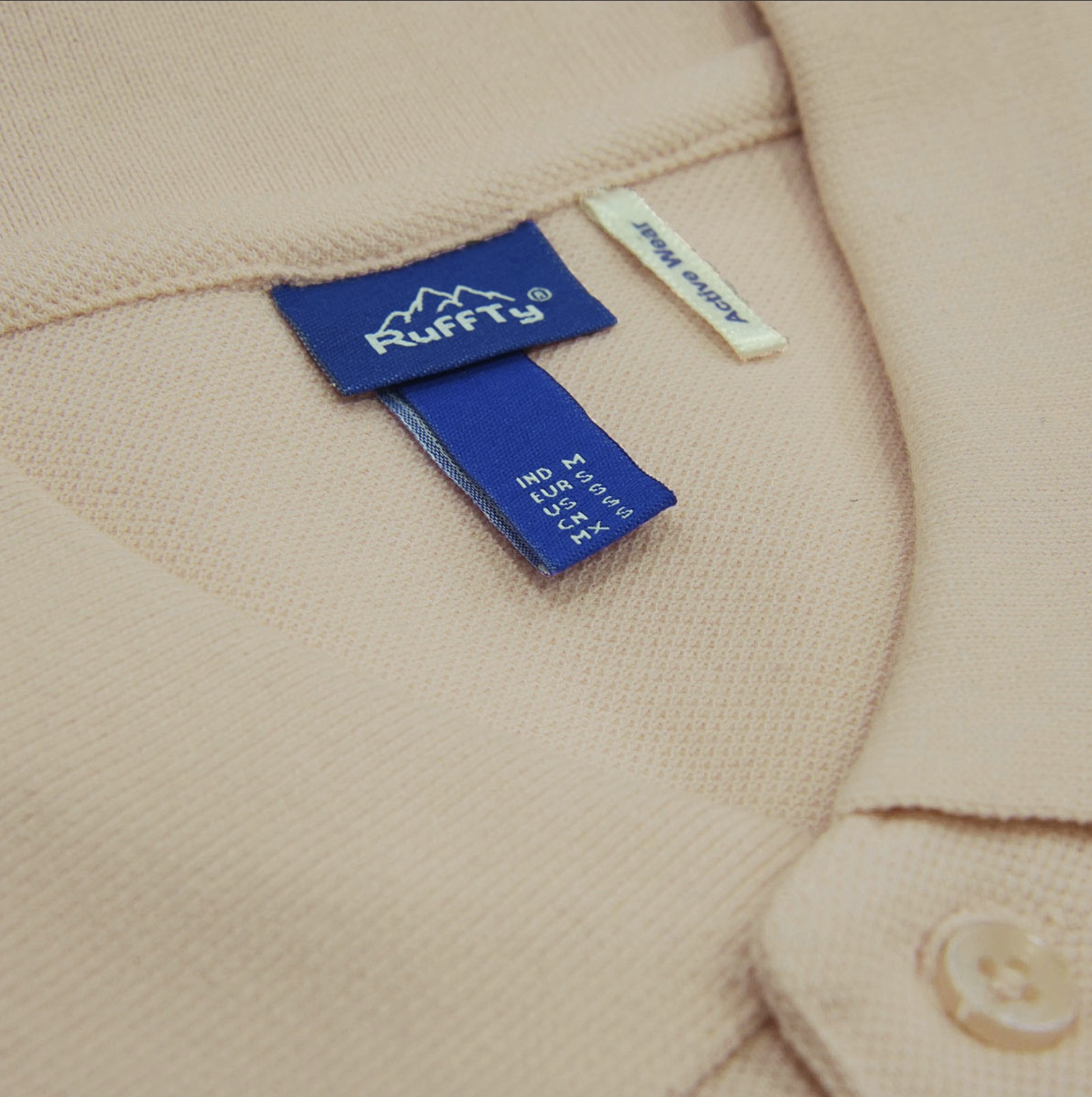
Why Companies Invest in Custom T-Shirts
Businesses order customised T-shirts for many reasons, including:
- Employee uniforms
- Corporate events
- Product launches
- College festivals
- Promotional campaigns
- Sports events
- Volunteer programmes
- Dealer and distributor meets
- Trade shows and exhibitions
A well-designed T-shirt turns every employee into a brand ambassador.
Step 1: Choose the Right Fabric
The fabric you choose affects comfort, durability, print quality, and cost.
Cotton
Best for:
- Daily office wear
- Promotional events
- Employee uniforms
Advantages:
- Soft and breathable
- Comfortable for long hours
- Excellent print quality
Polyester
Best for:
- Sports teams
- Outdoor events
- Field staff
Advantages:
- Moisture-wicking
- Lightweight
- Quick drying
- Long-lasting colour
Cotton-Poly Blend
Best for companies looking for a balance between comfort, durability, and affordability.
Step 2: Select the Right T-Shirt Style
Depending on your audience, you can choose from:
- Round Neck
- Polo T-Shirts
- V-Neck
- Oversized T-Shirts
- Dry-Fit Sports T-Shirts
- Hoodies
- Sweatshirts
The right style depends on your brand image and intended use.
Step 3: Choose the Best Printing Method
Not every design should use the same printing technique.
Screen Printing
Ideal for:
- Large quantities
- Simple logo designs
- Long-lasting prints
DTF (Direct to Film)
Ideal for:
- Multi-colour artwork
- Small to medium quantities
- Complex graphics
Embroidery
Ideal for:
- Polo T-shirts
- Corporate uniforms
- Premium branding
Sublimation
Best suited for polyester garments with full-coverage designs.
Step 4: Think About Branding Placement
Most businesses place their logo only on the front.
Instead, consider:
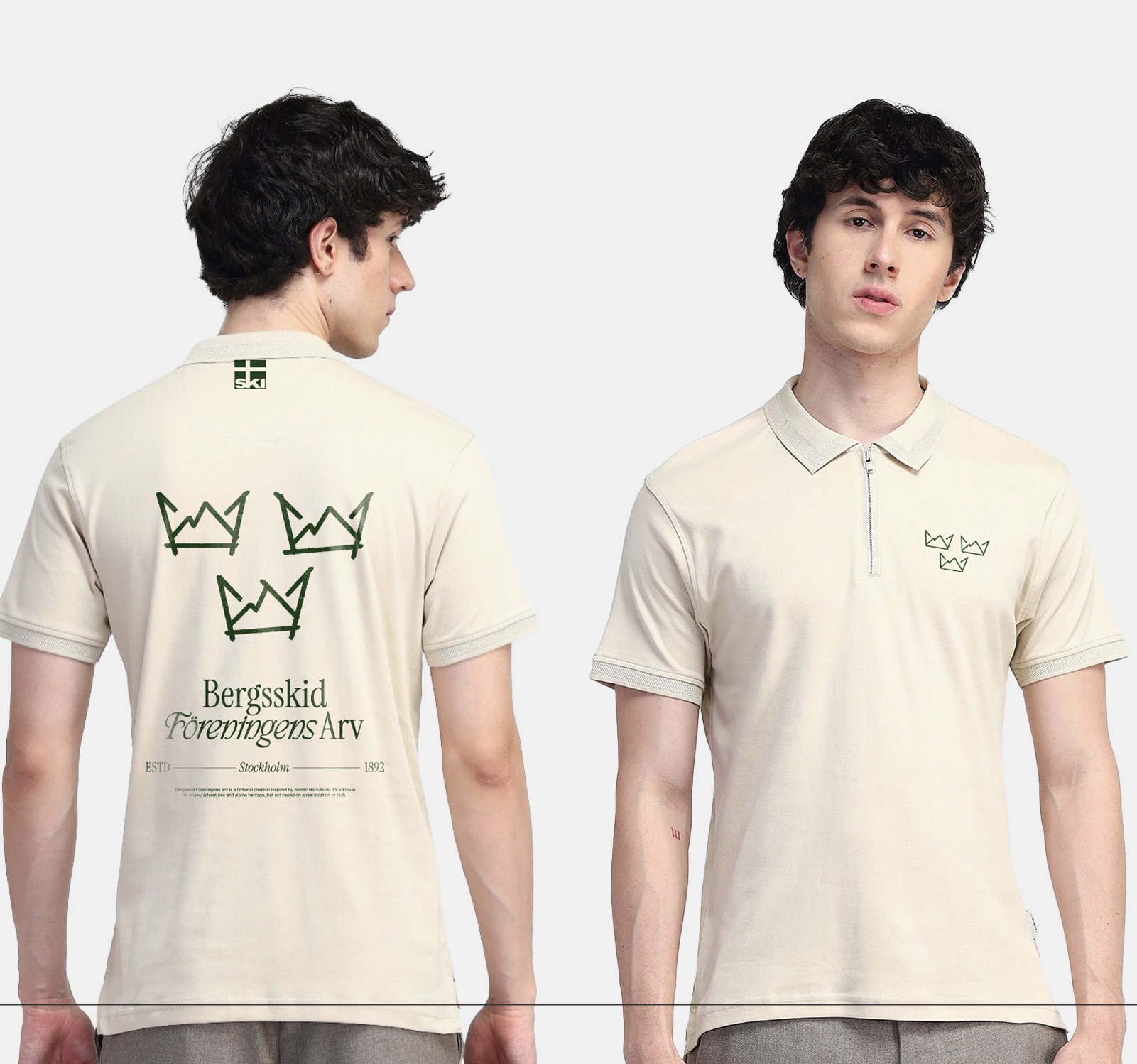
- Left chest logo
- Full front print
- Large back logo
- Sleeve branding
- Collar branding
- Neck label branding
- Individual employee names
Thoughtful placement creates a more premium and professional appearance.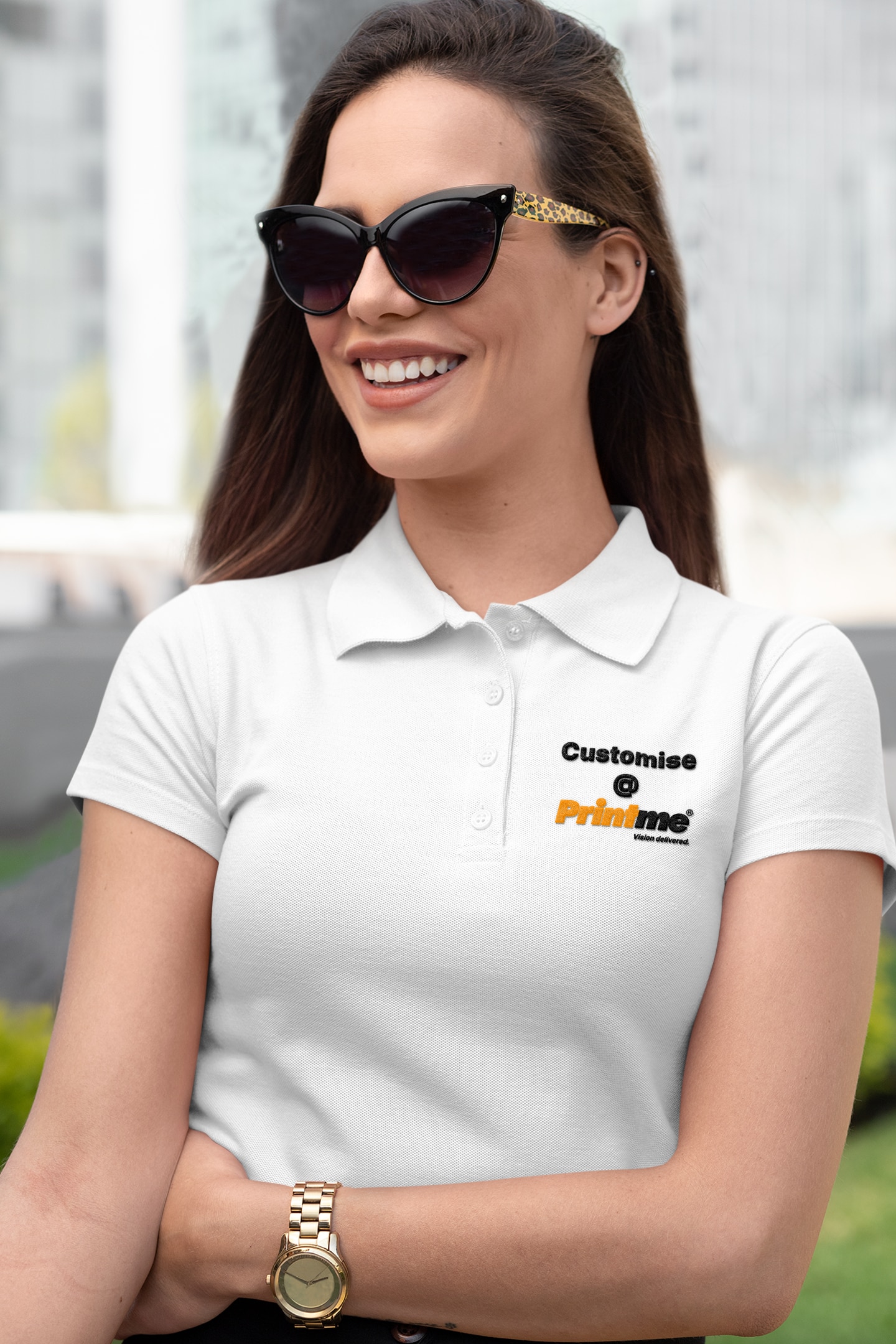
Step 5: Get the Sizing Right
One of the biggest challenges in bulk apparel orders is sizing.
Before confirming production:
- Collect size preferences from employees
- Keep a few extra pieces in common sizes
- Ask your supplier for a size chart
- Consider sample garments for large orders
Proper planning helps avoid unnecessary exchanges later.
Step 6: Plan Your Budget
Your final cost depends on several factors:
- Fabric quality
- GSM (fabric weight)
- Printing method
- Number of print locations
- Quantity ordered
- Packaging requirements
Ordering larger quantities generally reduces the cost per T-shirt.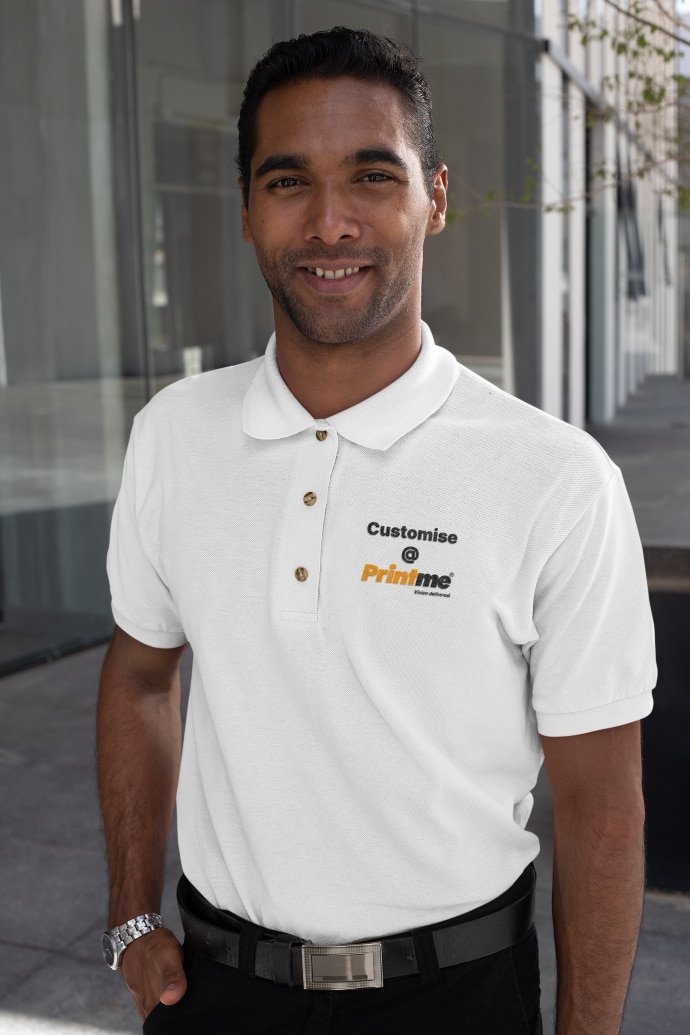
Common Mistakes to Avoid
Choosing the Cheapest Fabric
Low-quality fabric may shrink, lose shape, or become uncomfortable after a few washes.
Ignoring Print Quality
A great garment deserves a durable print. Poor printing can crack, peel, or fade over time.
Ordering at the Last Minute
Bulk apparel production requires time for manufacturing, printing, quality checks, and packing.
Planning ahead helps ensure on-time delivery.
Overcomplicating the Design
Simple, clean branding often has a stronger visual impact than oversized or cluttered artwork.
Industries That Regularly Order Bulk T-Shirts
Bulk customised T-shirts are popular across many sectors, including:
- Corporate offices
- Startups
- Manufacturing companies
- Schools and colleges
- Hospitals
- NGOs
- Sports clubs
- Event management companies
- Retail businesses
How to Choose the Right Supplier
When selecting a supplier, consider:
- Garment quality
- Printing expertise
- Production capacity
- Delivery timelines
- Customisation options
- Previous work
- Customer support
A reliable supplier should guide you through fabric selection, printing techniques, sizing, and artwork preparation rather than simply taking your order.
Why Businesses Choose Printme
Printme has been helping businesses create customised apparel for over two decades.
From employee uniforms and event merchandise to promotional campaigns and premium corporate apparel, we provide end-to-end solutions backed by in-house production and customisation.
Our services include:
- Bulk T-shirt printing
- Polo T-shirts
- Dry-fit sportswear
- Hoodies and sweatshirts
- Screen printing
- DTF printing
- Embroidery
- Custom packaging
- Pan-India delivery
Whether you need 50 T-shirts or 5,000, our focus remains the same—quality, consistency, and timely delivery.
Frequently Asked Questions
What is the minimum order quantity for custom T-shirts?
The minimum order quantity depends on the printing method and garment type. Many bulk orders start from 25–50 pieces.
Which printing method lasts the longest?
Screen printing and embroidery are generally the most durable options for bulk corporate orders.
Can I customise each T-shirt with individual names?
Yes. Names, departments, employee IDs, and numbering can all be personalised depending on the printing method.
How long does bulk production take?
Production time depends on the order size and level of customisation, but planning 2–4 weeks in advance is recommended for most corporate orders.
Conclusion
A customised T-shirt is more than just branded clothing. It represents your company, your team, and your professionalism.
By choosing the right fabric, printing method, design, and supplier, you ensure every T-shirt reflects your brand in the best possible way and delivers value long after the event is over.
